

“I Think I’m Too Old…” — You’re Not Alone
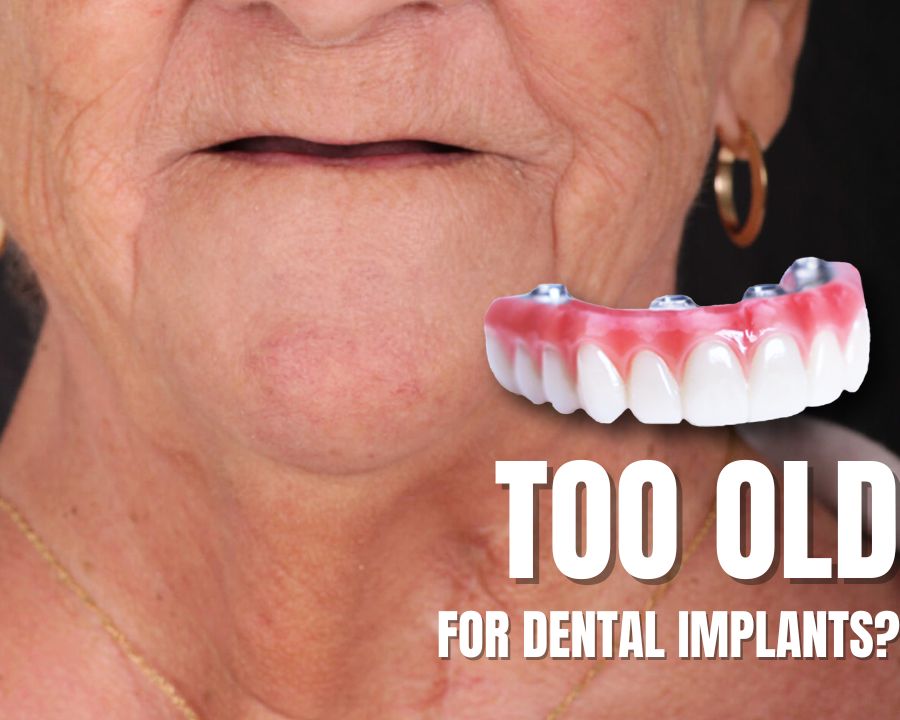
Many people believe they’re “too old” for dental implants. It’s one of the most common fears we hear — especially from those who’ve struggled with dentures or years of dental problems.
But here’s the truth: age isn’t the issue. Quality of life is. Too often, older adults settle for eating soft foods or avoiding social situations because dentures slip or make chewing difficult. That’s no way to live.
Modern dental implant techniques make it possible for most healthy adults — even in their 70s, 80s, or beyond — to enjoy permanent, secure teeth again. The longer you wait, though, the more bone you lose, and that can limit your options.
You’re not too old — but time does matter. Don’t let another year go by wishing you could smile, laugh, and eat the foods you love. Find out if you could still be a candidate today, while it’s easiest to make a lasting change.
It’s Not About Age—It’s About Health
Dental implants are safe and successful for patients well into their 70s, 80s, and even 90s. What matters most is your overall health, not the number on your birthday cake.
Here’s what your dental team looks at instead:
- Bone quality: You need enough strong bone to support the implants. Even if some bone has been lost, advanced techniques like All-on-4® implants can often make treatment possible.
- Gum health: Healthy gums help the dental implants heal and stay secure. Any infection needs to be treated first.
- Overall health: Conditions like diabetes or high blood pressure don’t necessarily disqualify you as a candidate for dental implants– as long as they’re under control.
- Medications and lifestyle: Some medicines or heavy smoking can affect healing, so your doctor will discuss these factors with you.
At Nuvia, our team takes a full 3D scan and medical review before treatment. That means we don’t guess—you’ll know for sure whether or not you’re a candidate.
%20(3).jpg)

Why Age Doesn’t Limit Healing
Your body can heal at any age — when given the right care and attention. In fact, many older adults recover exceptionally well because they stay consistent with medications, follow instructions closely, and take their health seriously.
Dental implants are designed to integrate directly with your jawbone — a process called osseointegration — creating a permanent foundation that becomes part of your body. Once healed, implants don’t just restore your smile; they protect your bone and oral health.
Nuvia’s dental implant success rate is higher than other large stNuvia’s dental implant success rate is 99.1%, which is notably higher than what other large studies report as the national average for implant success, even in older adults. The key isn’t age — it’s action. The sooner you start, the stronger your bone remains and the sooner your healing can begin. Studies report at 99.1%, even in older adults. The key isn’t age — it’s action. The sooner you start, the stronger your bone remains and the sooner your healing can begin.
The Real Benefits for Older Adults
Getting dental implants isn’t just about having nice teeth. It’s about bringing back the freedom to live life fully.
Here’s what many patients notice after treatment:
- Eat your favorite foods again: From apples to steak, you can chew without worry.
- Speak clearly: No slipping or clicking dentures.
- Look younger: Implants help support your facial muscles and prevent bone loss. This helps avoid the “sunken” look that can often comes with missing teeth/wearing dentures.
- Better nutrition and energy: Eating healthy foods is easier when you can chew properly.
- Confidence in your teeth: When your teeth are permanent, fixed in place, and made of a strong material like zirconia, you don’t have to worry about them falling out, breaking, or disrupting you in social settings. With a new set of permanent teeth, you can have confidence in your smile.
Many of our patients say, “I wish I had done it sooner.” But the truth is—now is always the right time if it means improving your comfort, health, and happiness.
When Would Full Mouth Dental Implants Not Be Recommended?
While many older adults are great candidates, there are a few situations where implants might not be the best choice—at least not right away.
Implants may not be recommended if someone has:
- Uncontrolled diabetes (blood sugar needs to be stable for proper healing)
- Active gum infections that haven’t been treated yet
- Severe bone loss that cannot be rebuilt
- Heavy smoking with no plan to quit
Even if these apply to you, don’t lose hope. Many issues can be corrected first—then implants may still be possible later on.
Many seniors switch from dentures to implants after years of frustration. With permanent zirconia teeth in 24 hours, you don’t have to live months with plastic temporaries or deal with adhesives anymore.
Investing in Yourself Is Always Worth It
Some older patients hesitate because they feel it’s “too late” to invest in their smile. But think of it this way—if you plan to live another 5, 10, 15, or even 20 years, that’s a lot of meals, photos, and memories.
Eating well and feeling good about your smile can add years of happiness and health to your life. Being able to laugh, eat, and speak without worry isn’t just cosmetic—it’s quality of life.
At Nuvia, we see patients in their 50s through their 80s every week. Many say getting implants was one of the best decisions they ever made.

What to Expect from the Process
At Nuvia, the process is designed to be simple and safe:
- Consultation and 3D scan – to check your bone and medical history.
- Personalized treatment plan – with clear, all-inclusive pricing (no hidden fees). You can get this during your consultation.
- Dental implant day – done under anesthesia for your comfort.
- 24 hours later – your permanent zirconia teeth are ready.
That means no long waiting period, no fragile temporaries, and no returning months and months later to finally get your teeth.
The Takeaway
You’re not too old for dental implants—you’re just too young to give up the foods and comfort you love.
If your dentures don’t fit or you miss smiling and eating without worry, implants could give you a second chance at a full, healthy life.
Age isn’t what decides if you qualify—your desire to live fully does.
Take the 60-second quiz today and see if you may be a candidate for permanent teeth in 24 hours.




.jpg)