

Many people don’t realize they grind or clench their teeth until the damage is already done. This habit is called bruxism, and over time it can wear down natural teeth, cause cracks, jaw pain, and headaches.
If you’re getting — or have just received — new permanent teeth with full arch dental implants, bruxism matters even more. That’s because grinding and clenching can place extra pressure on your new teeth and the new, healing implants securing them.
Managing Bruxism
The most common type of bruxism is sleep-related bruxism. This is when the jaw tightens rhythmically during sleep. Sometimes bruxism is a condition that is a result of other underlying conditions (i.e. stress, sleep apnea, anxiety, sleep disorders, etc.)
Managing bruxism can involve different methods. The treatment options include nightguards, change of habits, and pharmacological therapies.
Based on the recommendations of your provider, Nuvia patients may receive a combination of these treatments to best protect implants while they’re healing and to protect the longevity of your new set of teeth. Your investment matters and it is worth taking the extra step to protect your investment.
Night Guard (Occlusal Device)
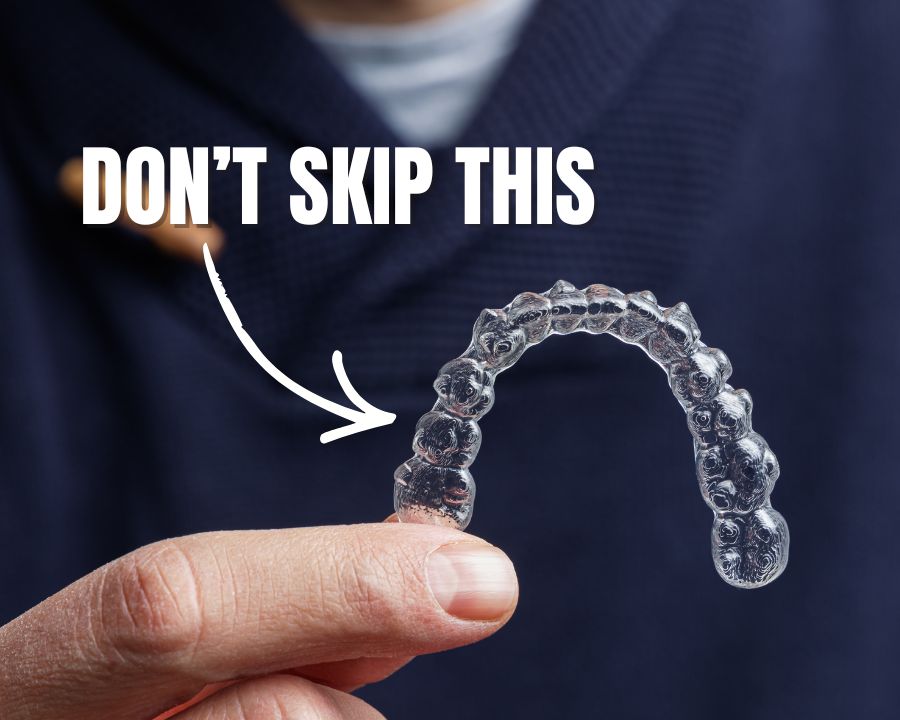
Night guards that are custom made to fit over your teeth protect the prosthetic from damage during teeth grinding and clenching motions. They do not reduce the frequency of habitual jaw clenching, but provide protection over the teeth and reduce the impact of forces transferred into the healing implants. Every Nuvia patient will receive a night guard as part of their treatment plan.
Behavioral intervention
A lot of sleep bruxism can be associated with stress and increased cortisol levels. Sleep hygiene, habit modification, and relaxation techniques are the first step in the intervention of sleep bruxism. Avoid alcohol, caffeine, and tobacco before bedtime to minimize sleep arousal. Other therapies like tension reduction and acupuncture may also be beneficial.
Pharmacological Approach
Botox injections into the jaw muscles every 6 months provide improvement for patients with severe bruxism movements. The injections decrease the strength of the jaw muscle contractions. Again they will not stop the frequency of the habit.
Clinical trials show that night guards and the Botox injections significantly improved patient satisfaction and sleep quality. With full arch implants and new prosthetics, this may be a recommended treatment during the first 4 months to ensure the best implant healing outcomes. It is important to reduce the force impact into your healing implants and bone.
Why Use a Mouthguard
After getting your new permanent teeth, your bite, muscles, and jaw are adjusting to something brand new. Even if you never noticed grinding before, this adjustment period can increase clenching at night.
So Bruxism or not, that’s why your provider may provide a night guard for teeth grinding and clenching.
Some patients receive their mouthguard:
- Right after getting their new teeth
- Or at their 2-week follow-up appointment
Protecting Your Investment
Your new teeth are designed to last, but they still need protection — especially during the early healing phase.
A mouthguard for bruxism helps:
- Reduce pressure from grinding and clenching
- Protect your new teeth from wear or damage
- Help your jaw muscles relax at night
Think of it like the bumper on your car. It will reduce the impact when something collides with it.
%20(2).jpg)
How to Use a Mouthguard
Your care team will walk you through this in person, but here’s what most patients should know.
How Long Do You Have to Wear It?
Most patients wear their night guard:
- While sleeping
- During the initial healing and adjustment period
- Beyond the healing period to take care of their new teeth and Especially if they have a history of bruxism.
Some people only need it temporarily. Others with ongoing bruxism may benefit from wearing it long-term. Your provider will guide you based on your situation.
How to Put It In (Helpful Tips)
Your provider will make sure your mouthguard fits properly before you leave, but a few general tips include:
- Always start with clean hands
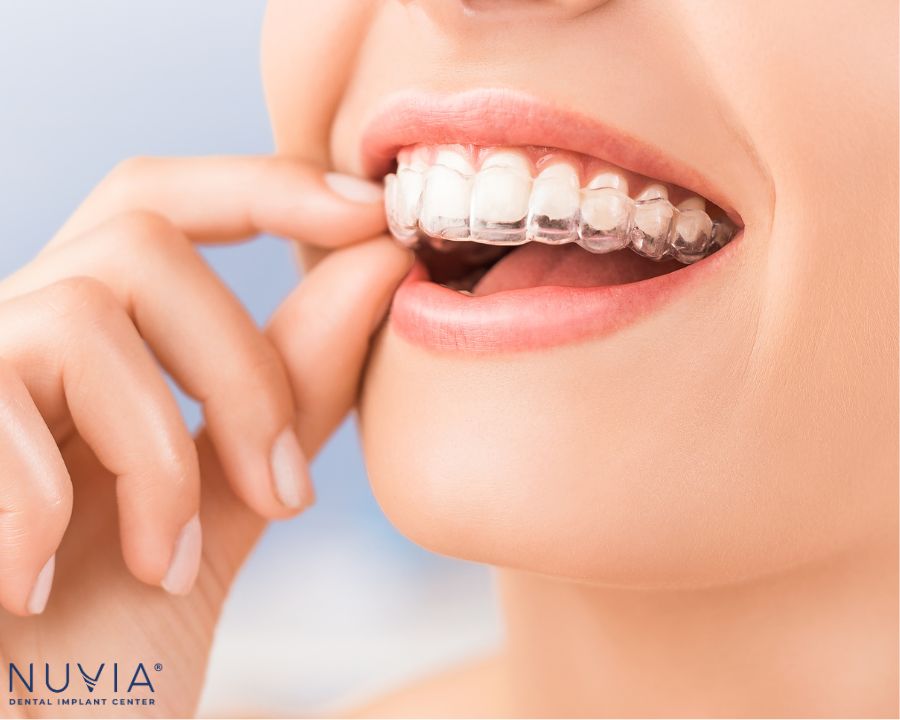
- Gently seat the guard over your teeth — don’t force it
- If it feels tight or uncomfortable, let your provider know
A properly fitted night guard for teeth grinding and clenching should feel secure but not painful.
Will Bruxism Impact the Healing Process?
Bruxism doesn’t automatically mean you’ll have problems — but unmanaged grinding and clenching can place extra stress on your new dental implants during healing.
That’s why the mouthguard for bruxism is important.
If you already know you grind your teeth, or if your partner has noticed it, be sure to tell your provider. Open communication helps your team plan the best protection for your new smile.
And if you’re ever unsure or uncomfortable, don’t guess — talk to your provider. Small adjustments can make a big difference.
Cleaning Your Mouthguard
Keeping your mouthguard clean helps prevent bacteria buildup and keeps it comfortable to wear.
Most patients are advised to:
- Rinse it with cool water after each use
- Gently brush it with a soft toothbrush (no toothpaste unless advised)
- Let it air dry completely before storing
Avoid hot water, which can warp the guard.
Your care team will give you specific cleaning instructions based on your mouthguard type — follow those closely.
If you have bruxism, it doesn’t automatically mean you’re not a candidate for full arch dental implants.
Grinding and clenching are common, and with the right plan—including a properly fitted mouthguard or night guard for bruxism—they can be managed safely and effectively.
If you’re worried about how bruxism might affect your candidacy, the best next step is simply to ask.
Take the 60-second quiz to see if you may be eligible for permanent teeth and learn what options could make sense for you.




.jpg)

.jpg)