

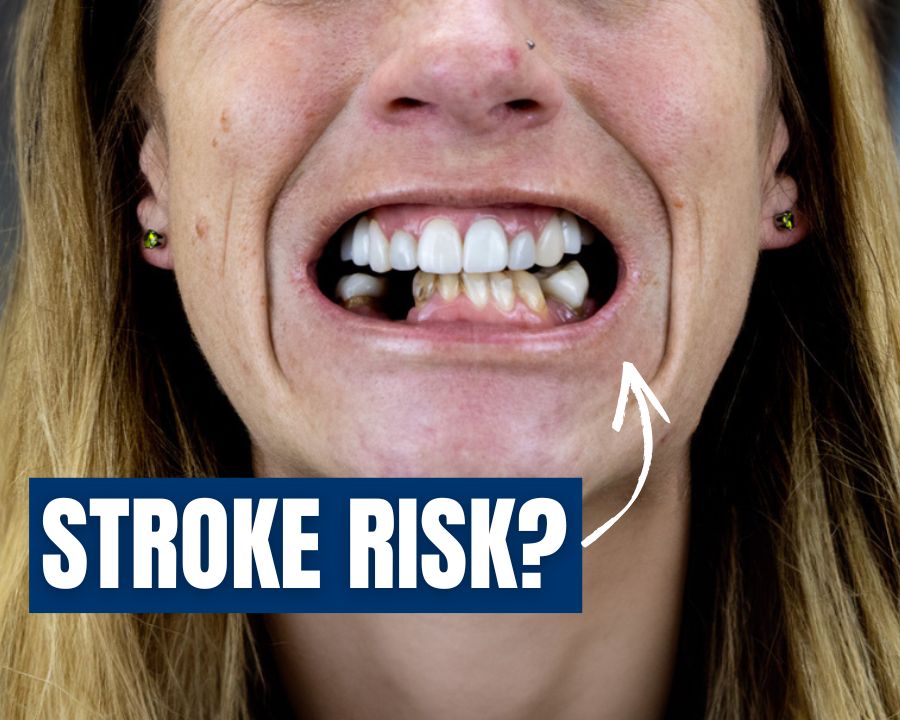
When your teeth start to fail, it can quietly affect more than just your smile — it can alter how your heart and brain function. Few people realize that the same bacteria behind bleeding gums can travel through your bloodstream and increase your risk of a stroke.
Recent research shows a strong link between gum disease and stroke, revealing that poor oral health can raise your risk of serious health problems far beyond your smile.
The good news? Restoring your mouth with dental implants doesn’t just bring back your confidence — it may also help protect your long-term health and put you at less risk of a stroke.
What Happens in Your Mouth Doesn’t Always Stay There…
Your mouth isn’t just where digestion begins — it’s a window to your overall health. The Mayo Clinic calls oral health “a window to your overall health” because bacteria from the mouth can easily enter your bloodstream, where they may affect your heart and brain.
The World Health Organization agrees: oral diseases affect more than 3.5 billion people worldwide, and poor oral health has been tied to heart disease, diabetes, Alzheimer’s, and — yes — stroke.
How Gum Disease Raises Stroke Risk
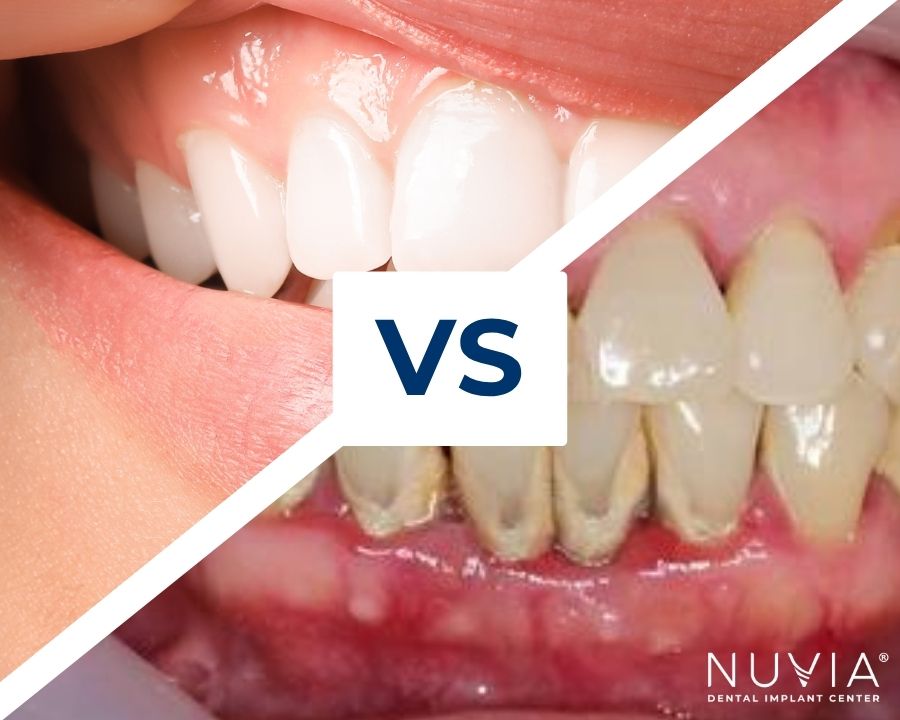
Gum disease (also called periodontitis) happens when plaque builds up and bacteria infect the tissues that hold your teeth in place. Left untreated, it causes inflammation, bleeding gums, and bone loss. But it doesn’t stop there.
Researchers have found that those with gum disease are 2 to 3 times more likely to have a stroke than those with healthy gums:
These studies show a consistent pattern: the worse your gum health, the higher your stroke risk.
Why It Happens
Scientists believe it comes down to inflammation and infection:
- Bacteria travel through the bloodstream, triggering inflammation in blood vessels.
- That inflammation can narrow arteries and make blood clots more likely.
- Over time, this increases the risk for both ischemic strokes (caused by clots) and cardioembolic strokes (caused by heart-related clots).
Certain oral bacteria, like Porphyromonas gingivalis, have even been found inside the arterial plaques that cause strokes (Sen et al., 2018) .
Tooth Loss and Stroke: A Warning Sign
Tooth loss is often the result of long-term gum disease — and it’s more than a cosmetic issue. Losing teeth means losing bone, chewing ability, and proper nutrition, all of which can affect heart and brain health.
- A 2018 meta-analysis of over 879,000 people found that for every 2 teeth lost, stroke risk rose by 3%.
- People missing 10 or more teeth had a significantly higher chance of stroke and cardiovascular death.
- A 2024 review confirmed that tooth loss is linked to 32% higher stroke risk, even after adjusting for other factors.
That means your teeth determine more than just how your smile looks — they can also be a marker of your overall health.
Every year that gum disease or tooth loss goes untreated, inflammation keeps spreading — quietly damaging your heart and blood vessels. The longer you wait, the harder it becomes to reverse the damage.
Can Dental Implants Reduce Stroke Risk? Here’s the Evidence
Losing teeth doesn’t just affect your confidence or how you eat. It affects your entire body. Thankfully, dental implants don’t just restore your smile — they can also help protect your long-term health.
Here’s how:
1. Dental Implants Stop Bone Loss
When a tooth is missing, the jawbone underneath starts to disappear — permanently. Implants act like natural tooth roots, stimulating the bone and preventing that breakdown.
This can help maintain your facial structure and avoid other health complications that can come from bone loss like weakened jaw joints, poor nutrition, and even higher risk of heart and brain health issues.
2. Dental Implants Can Help You Eat Nutritious Foods Again
Soft diets or processed foods can worsen stroke risk by raising cholesterol or blood pressure. Dental implants give you back the strength to enjoy the foods that keep your heart and brain healthy — not just what’s soft enough to chew.
3. Dental Implants Support Better Oral Hygiene
Full mouth dental implants are fixed and are not meant to be removed by a patient, ever. This makes for an oral hygiene routine similar to natural teeth. For many patients this makes them easier to clean and maintain than dentures, helping reduce bacterial buildup and inflammation — key risk factors for stroke.
4. Dental Implants Are Proven Safe and Long-Lasting
Research shows dental implants have a 93.3 and 98% success rate, with Nuvia reporting a 99.1% success rate across more than 116,000 implants between 2022 and 2024.
Designed to last a lifetime with proper care, full mouth dental implants can be a one and done solution to oral health issues putting you at higher risk of gum disease and stroke.
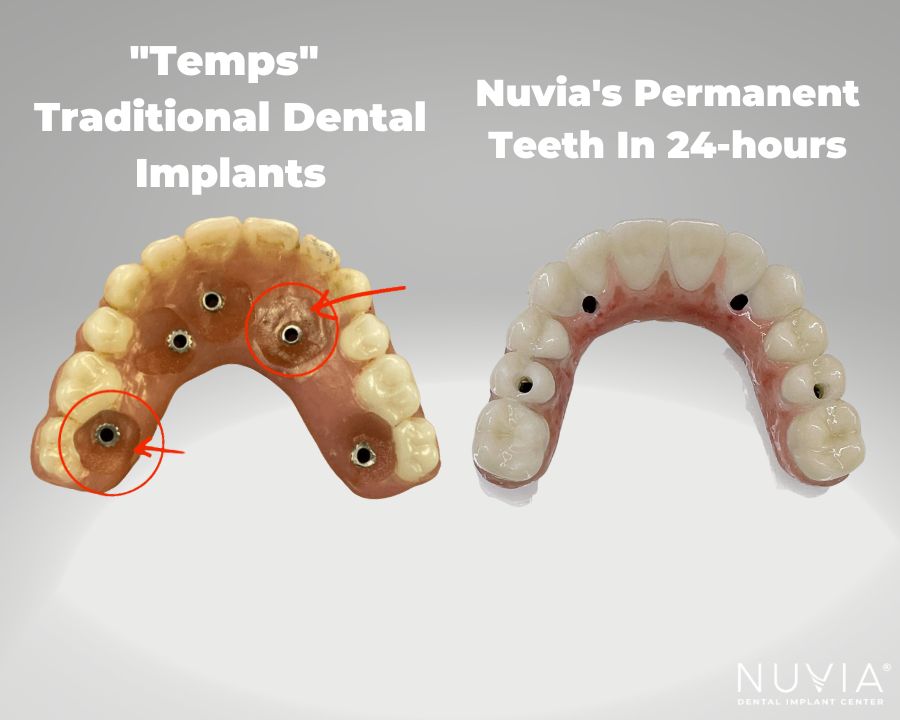
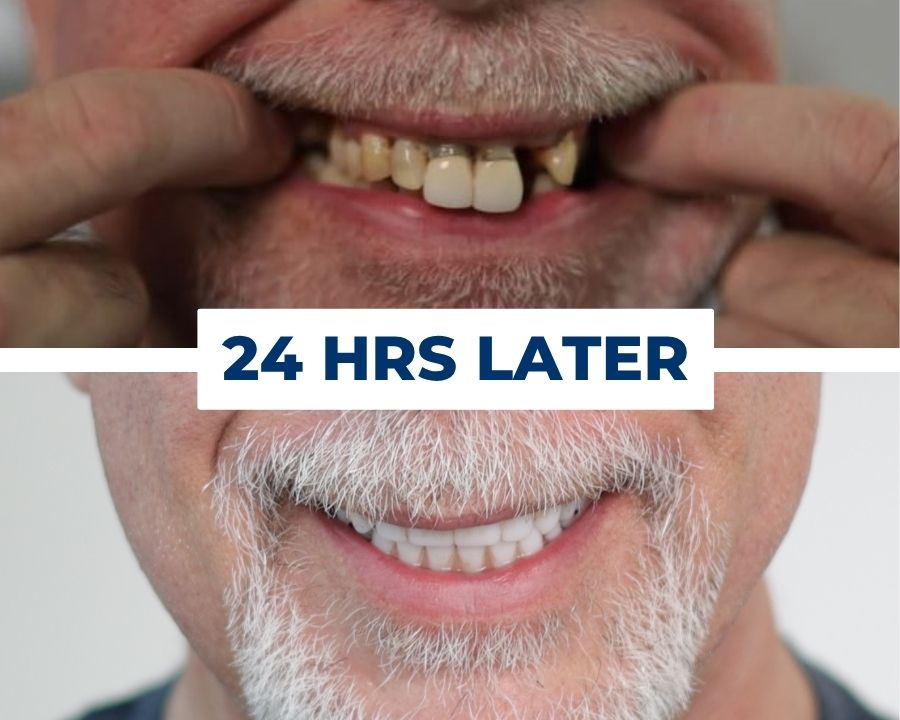
Unlike traditional implant centers, Nuvia’s process delivers your final, permanent zirconia teeth in just 24 hours — no temporary dentures, no waiting months for your new smile.
Don’t wait for another infection, sleepless night, or doctor visit that treats symptoms instead of the cause. Take the 60-second quiz now to see if you may qualify for permanent teeth in 24 hours — before bone loss or health risks get worse.
Do Dental Implants Help You Live Longer? What One Study Says
A major Swedish study of over 8,000 patients found that those with dental implants lived longer than those with removable dentures — regardless of income or background.
That’s the real story of dental implants: not vanity — vitality.
Your Next Step
If you’ve lost teeth or have ongoing gum issues, every month of delay increases your health risks — from inflammation to bone loss. Nuvia’s 24-hour permanent teeth process helps you stop that cycle fast.
Instead of waking up from your (typical) dental implant procedure with a set of generic dentures and a potentially months-long wait for final teeth, you get your permanent set of teeth in just 24 hours at Nuvia.
Take the 60-second quiz now to see if you may be eligible for permanent teeth in 24 hours and start protecting your health today.




.jpg)